Why we torque and thermal scan every joint
Loose connections are a common cause of switchboard faults. Here is how torquing and thermal imaging help catch them.
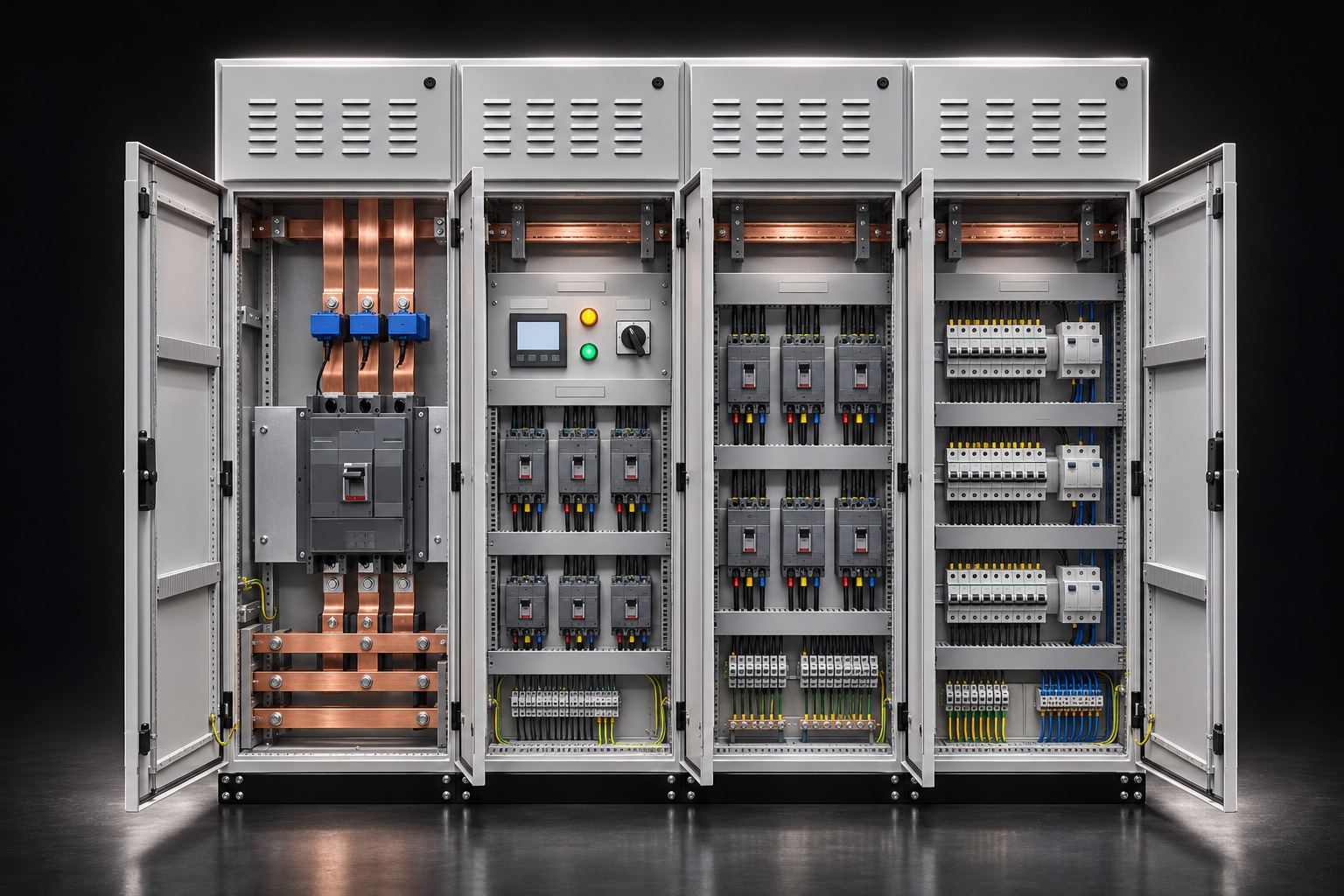
blog-thermal.jpg Most switchboard faults do not start with a dramatic failure. They start with a connection that is slightly loose. Over time that joint heats up, the metal around it oxidises, the resistance climbs, and the joint gets hotter still. Eventually something gives. Two simple practices catch most of these problems before they start: torquing every bolted joint to the right value, and checking the board with a thermal camera once it is carrying load.
[CONFIRM: Nedlog to confirm that these are its standard practices before this post is published.]
What happens at a loose joint
Electricity flowing through a connection meets a small amount of resistance. A good joint keeps that resistance very low. A loose joint has less metal in firm contact, so the current crowds through a smaller area and the joint heats up.
Heat makes things worse in several ways:
- Metal expands and contracts as the load changes through the day, which can loosen a bolt further
- Copper and aluminium oxidise faster when hot, and the oxide layer adds more resistance
- Insulation nearby can age, discolour or soften
The process is slow and usually invisible from the outside. That is why it needs to be checked deliberately.
Torquing
Every bolted joint in a board, whether busbar to busbar, busbar to breaker, or cable lug to terminal, has a correct tightening value. That value comes from the device maker or the busbar design, and depends on the bolt size and the materials.
Too loose and the joint heats up. Too tight and threads can strip, washers can flatten, or the copper can deform. The right tool for the job is a calibrated torque wrench, not a feel for it.
Marking the joint
After a joint is torqued, it is common practice to mark it with a line of paint or a torque marker across the bolt head and the surface beneath. If the bolt ever turns, the line breaks. Anyone opening the board later can see at a glance that a joint has moved, without needing to put a wrench on every bolt.
Thermal imaging
A thermal camera shows the surface temperature of everything in view. A healthy board under load shows an even, predictable pattern. A problem joint shows up as a hot spot, often many degrees warmer than the same connection on the other phases.
Thermal imaging only works when current is flowing, because a joint only heats up under load. That means it is done after the board is installed and energised, and then repeated as part of routine maintenance. It is quick, it does not need the board to be switched off, and it gives a record that can be compared over time.
Things a thermal survey can pick up:
- loose or corroded connections
- an overloaded circuit
- an imbalance between phases
- a device that is starting to fail
A simple maintenance routine
For building owners, a straightforward routine looks like this:
- On commissioning, keep the test records and any torque records that came with the board.
- Once the building is in use, arrange a thermal survey under normal load.
- Repeat the survey at regular intervals. How often depends on how critical the board is and how hard it works. Your maintenance contractor or engineer can advise.
- Act on hot spots quickly. Isolate, check and re-torque or replace as needed, then survey again.
- Keep the reports, so you can see trends rather than single snapshots.
Safety first
Opening a live board to take thermal images is a job for trained, authorised people with the correct protective equipment. Some boards are fitted with viewing windows or ports so that images can be taken with the doors closed. If you are planning a new board and expect regular surveys, it is worth asking about these at design stage.
In short
A correctly torqued and marked joint is far less likely to work loose. A thermal survey under load finds the ones that do, before they become a fault. Together they are some of the simplest and most effective ways to keep a switchboard healthy for the long run.